

The Science
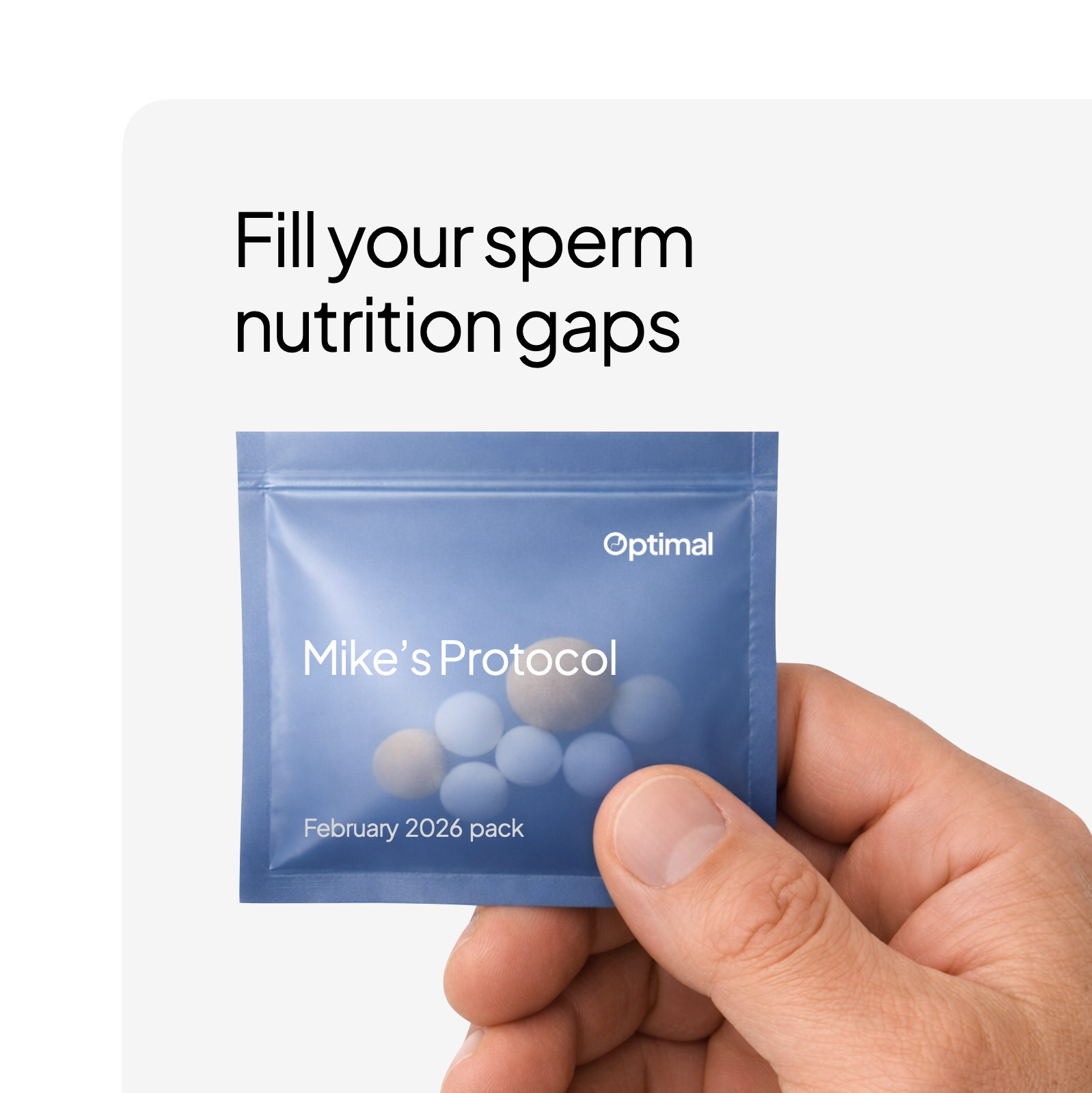
Research consistently shows that sperm function and DNA quality are damaged by nutritional shortfalls, lifestyle habits, and environmental toxins
This damage may occur directly or through oxidative stress during sperm development
Gold-standard clinical evidence
Recommendations are based only on gold-standard, peer-reviewed research and expert consultation from world-class reproductive endocrinologists and urologists
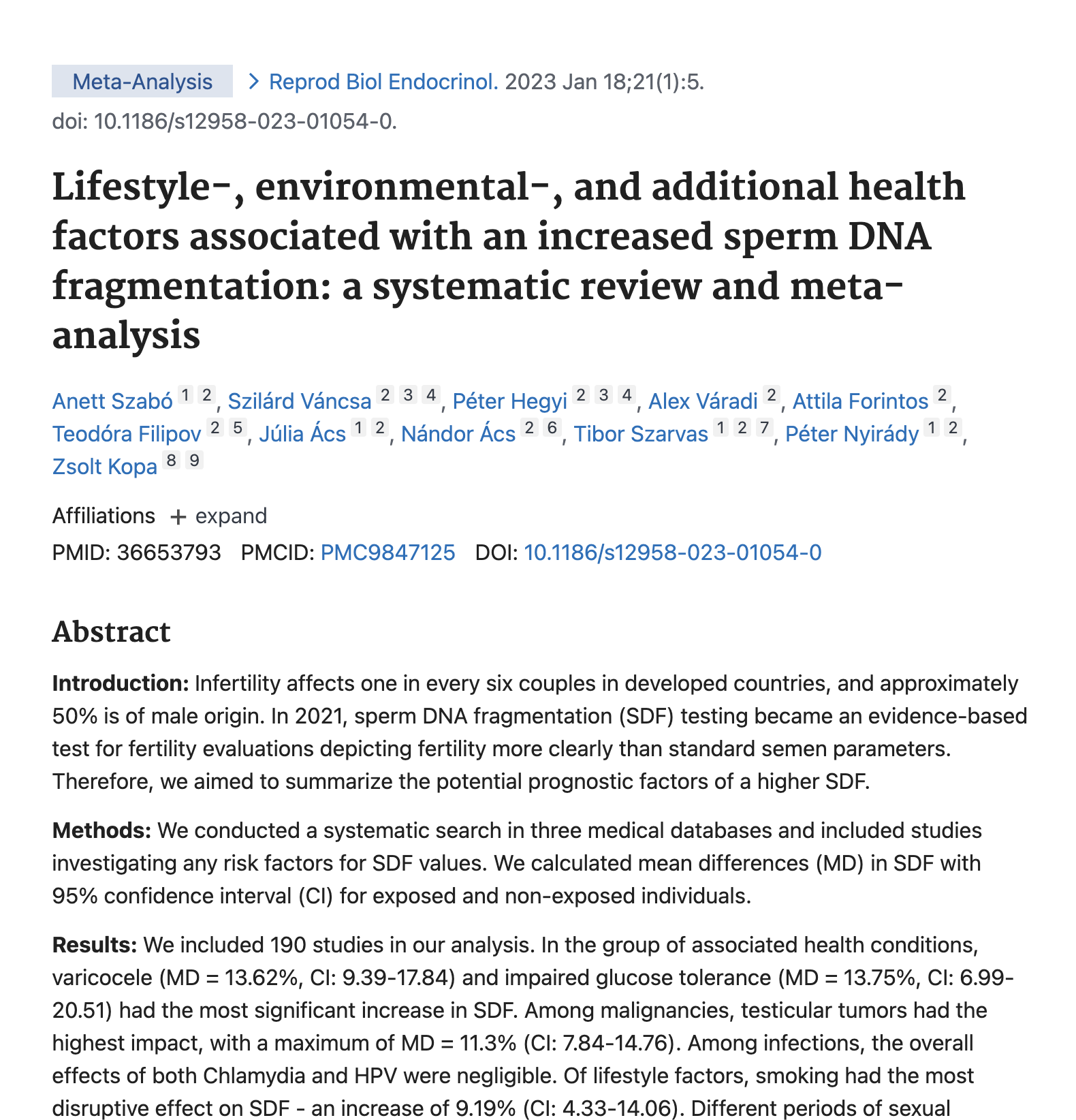


Clinical Evidence
Expand the sections below to read a synopsis of study findings. Click the links to view the original manuscripts on PubMed
Nutrition
-
A double-blind, randomized, placebo-controlled trial gave infertile men 1,500 mg/day DHA-enriched oil vs 1,500 mg/day sunflower oil for 10 weeks (analyzed n=57). The DHA group showed improved seminal antioxidant status and a reduction in the percentage of sperm with DNA damage.
-
In infertile men given CoQ10 200 mg/day for 3 months, sperm DNA fragmentation decreased (reported ~35.6% ± 7.1 to ~30.9% ± 8.3).
-
After treatment, the NAC arm showed a drop in DNA fragmentation (example reported values: ~34.6% → ~30.8%) while placebo remained essentially unchanged (~33.1% → ~33.0%). The signal aligns with NAC’s oxidative-stress mechanism, but clinical pregnancy/live birth endpoints were not the primary focus.
-
In a randomized study (zinc alone vs zinc+vitamin E vs zinc+vitamins E+C vs control), zinc therapy was associated with lower oxidative stress markers and reduced DFI, with an in-vitro zinc experiment reporting lower DFI by ~14–29% vs zinc-deficient conditions.
-
Men with high sperm DNA damage took vitamin C 1,000 mg + vitamin E 1,000 IU daily for 2 months; sperm DNA fragmentation dropped from 22.1% to 9.1%. In the same ICSI cycles, outcomes were higher after antioxidants (clinical pregnancy 48.2% vs 6.9%, implantation 19.6% vs 2.2%).
-
Selenium 200 µg/day for 6 months was reported to reduce sperm DNA fragmentation (SDF) and improve semen parameters
-
Over 6 months, the treated group’s DNA fragmentation index fell from 38.5% (median) at baseline to 31.0%, while placebo showed no meaningful change (DFI ~37–38% across timepoints).
-
A Mediterranean-style eating pattern (vegetables, fruits, fish/seafood, olive oil) was associated with much better sperm DNA integrity: men in the highest adherence group had 61% lower odds of “high DNA fragmentation” than the lowest group (OR 0.39; 95% CI 0.15–0.73).
Link to study -
In a study comparing 32 diabetic vs 35 non-diabetic men, diabetic men had significantly higher sperm DNA fragmentation (TUNEL assay; P < 0.001). A diabetes-related sperm protein marker (RAGE) was strongly correlated with DNA fragmentation (r = 0.81, P < 0.001), supporting a direct molecular link.
Link to study -
A case-control design specifically modeled semen-quality outcomes while adjusting for major confounders (including smoking, alcohol, activity), reflecting a signal that diet quality meaningfully relates to impaired sperm function. Diets heavy in ultra-processed foods and refined/“semi-Western” ingredients were linked to roughly 3–4× higher odds of high DNA fragmentation (OR 3.77 and OR 3.06, respectively).
Link to study -
An animal-model study tested paternal undernutrition before conception and reports paternal nutrition can program adverse offspring health outcomes, with prevention by antioxidant/vitamin fortification. This supports a mechanism where nutritional stress alters sperm-mediated inheritance (epigenetic integrity), a risk pathway distinct from classic semen analysis.
Link to study
Lifestyle
-
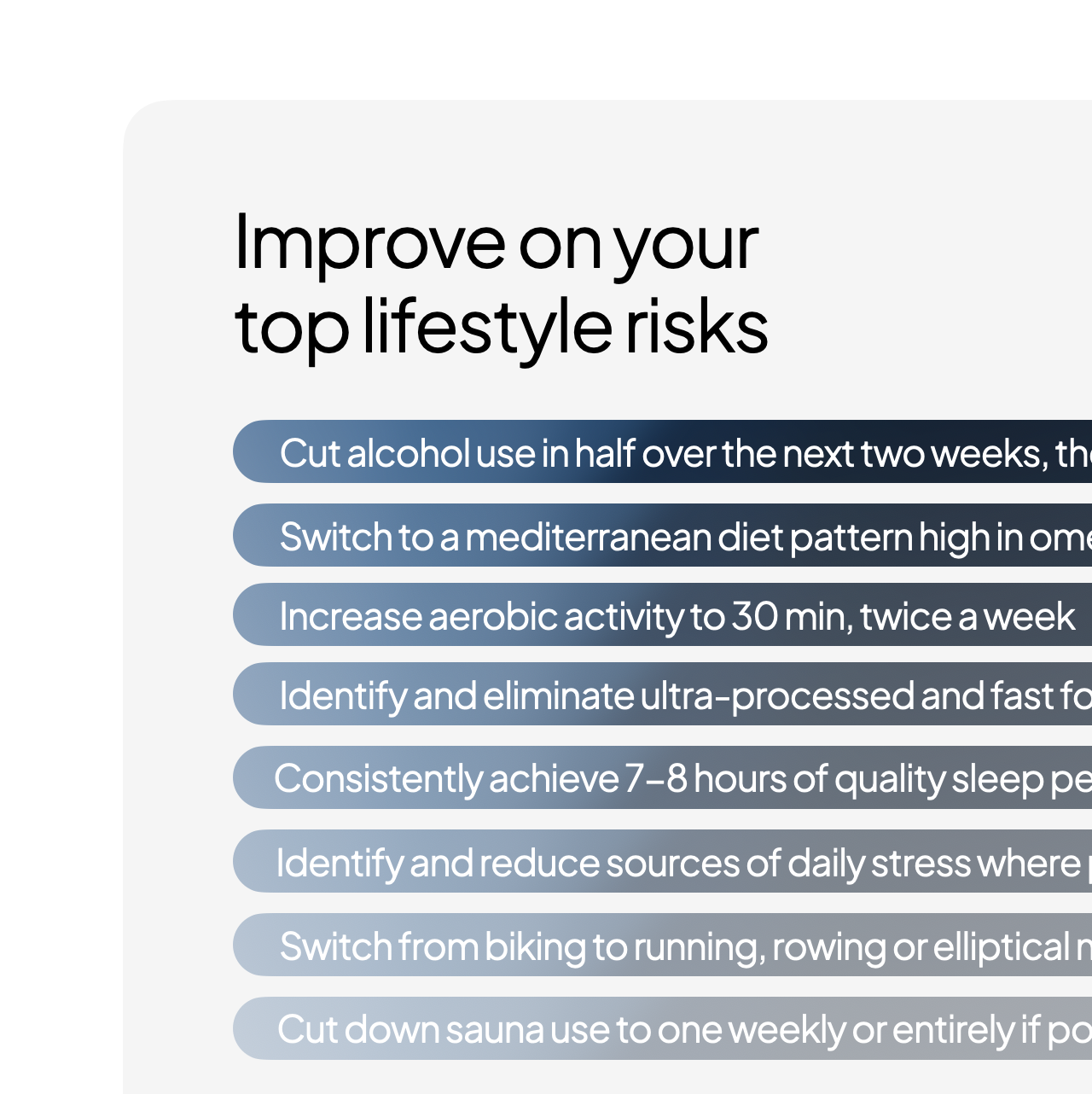
A fertility-center study concluded greater perceived stress was negatively associated with certain semen-quality parameters and with spermatic cell DNA damage. Even when not all DNA-damage markers moved, the presence of a DNA-damage signal supports stress as a real biological risk to sperm genetic quality.
Link to study -
A large panel study (796 men) evaluated sleep duration against sperm chromatin integrity using SCSA and Comet assays, which are direct DNA/chromatin damage measures. The use of these assays reflects that sleep patterns are being tested as a potential driver of measurable sperm DNA/chromatin injury.
Link to study -
In a very large cohort study, preconception alcohol use was associated with higher odds of miscarriage, and risk increased with paternal and maternal drinking. This supports that male alcohol exposure before conception can negatively affect reproductive outcomes, consistent with sperm-mediated effects.
Link to study -
A randomized controlled trial found that a 24-week high-intensity exercise program improved semen parameters and sperm DNA integrity (less DNA damage) and increased pregnancy rates compared with no exercise.
Link to study -
A large systematic review/meta-analysis (190 studies) found smoking was associated with a +9.19 percentage-point increase in sperm DNA fragmentation versus non-smokers (95% CI +4.33 to +14.06). Higher fragmentation means a larger share of sperm carry broken DNA, which is linked to poorer embryo development and lower fertility potential.
Link to study -
In a population study of young men, daily e-cigarette users had lower total sperm counts than non-users (91 million vs 147 million, adjusted analyses). Lower sperm production is a consistent red-flag for testicular stress and is often seen alongside impaired sperm quality.
Link to study
Exposures
-
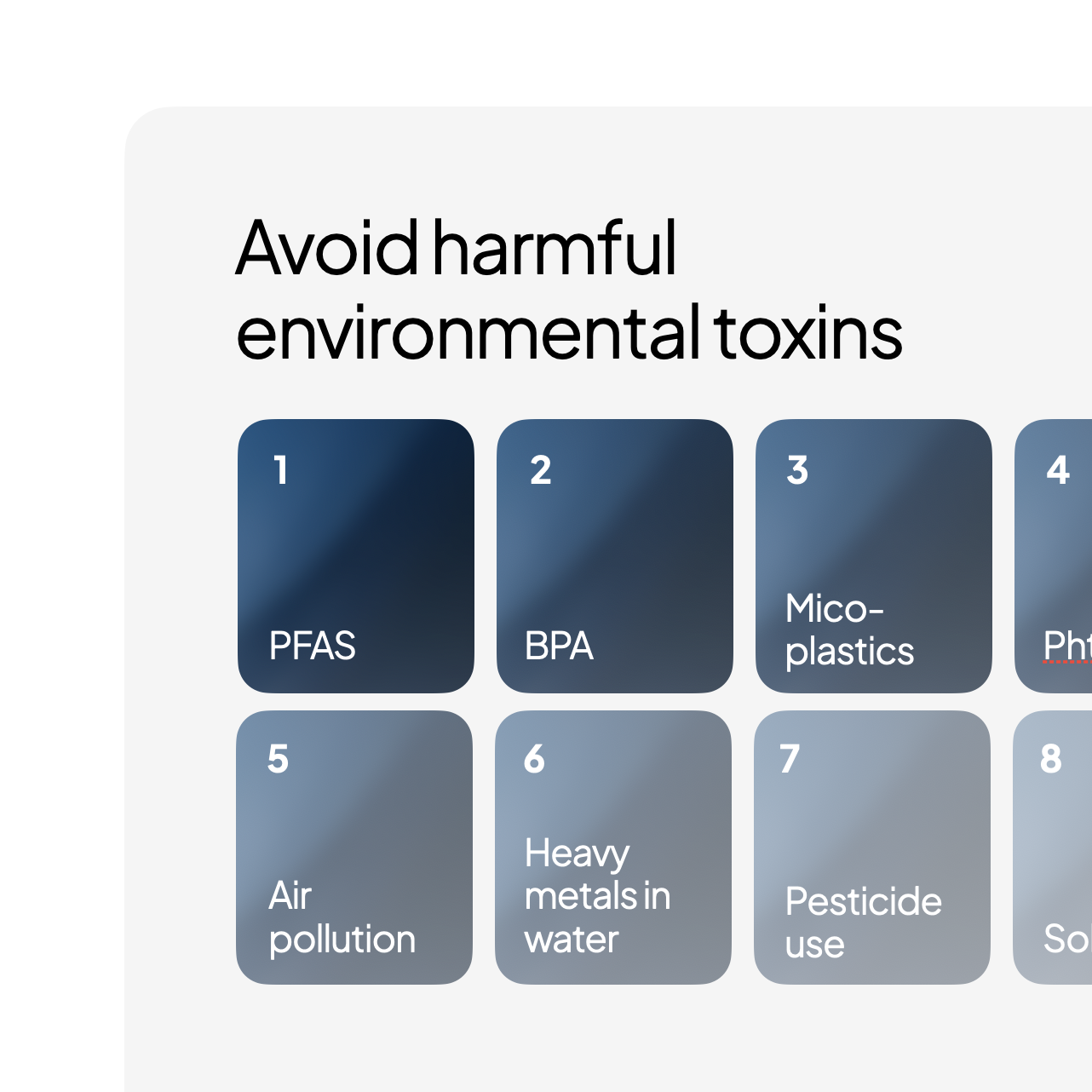
A human study of transient scrotal hyperthermia reports measurable harm to sperm DNA integrity and increases in sperm apoptosis (programmed cell death). Heat stress at the testes is a direct mechanism for producing sperm with compromised genetic quality.
Link to study -
In workers exposed to styrene, investigators concluded the Comet assay detected altered DNA integrity in germ cells, indicating measurable sperm DNA damage with occupational solvent exposure. This supports solvent exposure as a credible reproductive genotoxic risk.
Link to study -
After 16 weeks of intensive cycling, seminal ROS and malondialdehyde increased (P < 0.008) while key antioxidants (SOD, catalase, total antioxidant capacity) decreased (P < 0.008), and these abnormalities persisted after 30 days of recovery. This oxidative-stress pattern is a well-established pathway to sperm DNA damage and impaired sperm function.
Link to study -
In men undergoing fertility evaluation, exposure patterns consistent with androgenic manipulation are associated with clinically meaningful impairment in sperm production and quality (a pathway tightly linked to DNA packaging and integrity problems when severe). Even when semen returns, prior suppression is a recognized risk for abnormal sperm quality.
Link to study -
Occupational organophosphorous pesticide exposure was reported to alter sperm chromatin condensation, increasing susceptibility to DNA denaturation. Poor chromatin packaging makes sperm DNA less stable and more vulnerable to damage during fertilization and early embryo development.
Link to study -
Clinical review content on fertility-preserving regimens (e.g., hCG approaches) exists specifically because exogenous testosterone can jeopardize fertility and requires mitigation strategies. The practical implication is that testosterone exposure can suppress normal sperm production and degrade reproductive potential.
Link to study -
A case report documented elevated sperm DNA fragmentation while on finasteride: DFI 30%, unchanged on repeat testing, then improved after stopping finasteride to 21% at 3 months and 16.5% at 6 months. This shows a drug-associated, measurable sperm DNA damage signal that can partially reverse after discontinuation.
Link to study


Get started free
Take our two-minute assessment to better understand your most critical sperm damage contributors.